
A Practical Framework That Actually Works
Most parents and grandparents want the same thing for the next generation: that our kids grow up responsible, generous, and wise with money. Yet for something so important, very few of us were ever taught how to do this well. Schools rarely cover it in any meaningful way, and if we’re honest, many of us learned through trial and error ourselves.
At Strategic Income Group, we believe financial stewardship is learned early—and that it’s never too early to start. Teaching kids how to Give, Save, and Spend with intention builds habits that last a lifetime. When done well, money becomes a tool for freedom, generosity, and responsibility rather than stress or entitlement.
Start Simple: Give, Save, Spend (and the 10/10/80 Framework)
When kids are young, simplicity matters. A helpful starting point is the Give, Save, Spend framework paired with a 10/10/80 approach:
- Give – 10%: Teaching generosity from the beginning helps kids understand that money is not just for themselves.
- Save – 10%: Saving builds patience and future thinking.
- Spend – 80%: This is where kids learn trade-offs, choices, and consequences.
For younger kids, the goal isn’t precision—it’s exposure. Even small amounts reinforce the habit. Whether it’s jars, envelopes, or a digital tool, the framework matters more than the dollar amount.
Age-by-Age Stewardship Framework
Ages 5–9: Foundations (Start With Cash)
This stage is all about tangible learning. Kids need to see it, feel it, touch it, and count it. Start with cash and coins so they can truly understand what money and currency are.
Let them hold it. Let them count it. Let them make simple decisions with it. And yes—once they’re done handling it, have them wash their hands.
Just as importantly, this is the time to let kids make small mistakes with small dollars. Spending their money too quickly, buying something they later regret, or realizing they don’t have enough left for something else are all valuable lessons. The goal is not to protect them from mistakes, but to allow learning now—so they avoid far more costly mistakes later in life when the dollars are much larger.
This is where stewardship begins: not with lectures, but with repetition and experience.
Ages 10–13: Building Responsibility (Let Money Flow Through Their Hands)
As kids grow, so should their responsibility. This is a natural transition point to move from physical cash to an actual bank account or a managed digital account.
This is also when parents can intentionally allow more money to flow through their kids’ hands, which is one of the most powerful teaching tools available. Instead of parents paying for everything directly, some of the money you would have spent anyway can now pass through your child first—giving them the responsibility to manage it.
At this stage:
- Kids can begin earning simple interest on savings.
- Saving becomes more goal-oriented (toys, games, experiences).
- Giving becomes more thoughtful and personal.
- Spending decisions start to involve prioritization and trade-offs.
- Money becomes less abstract and more connected to real-world outcomes.
Ages 14–18: Expanding the Framework (Investing and Compound Growth)
Teen years are where stewardship starts to resemble adult financial life. This is the stage to introduce investing, along with the concepts of compound interest and risk versus return.
Kids can begin to understand:
- The difference between saving and investing.
- Why time matters more than timing.
- How money can work for them over long periods of time.
This is also the stage where conversations around earned income, taxes, and longer-term goals naturally fit. The objective isn’t to turn teenagers into portfolio managers, but to help them understand how thoughtful decisions today compound into greater freedom tomorrow.
How We Use the Greenlight App at Home
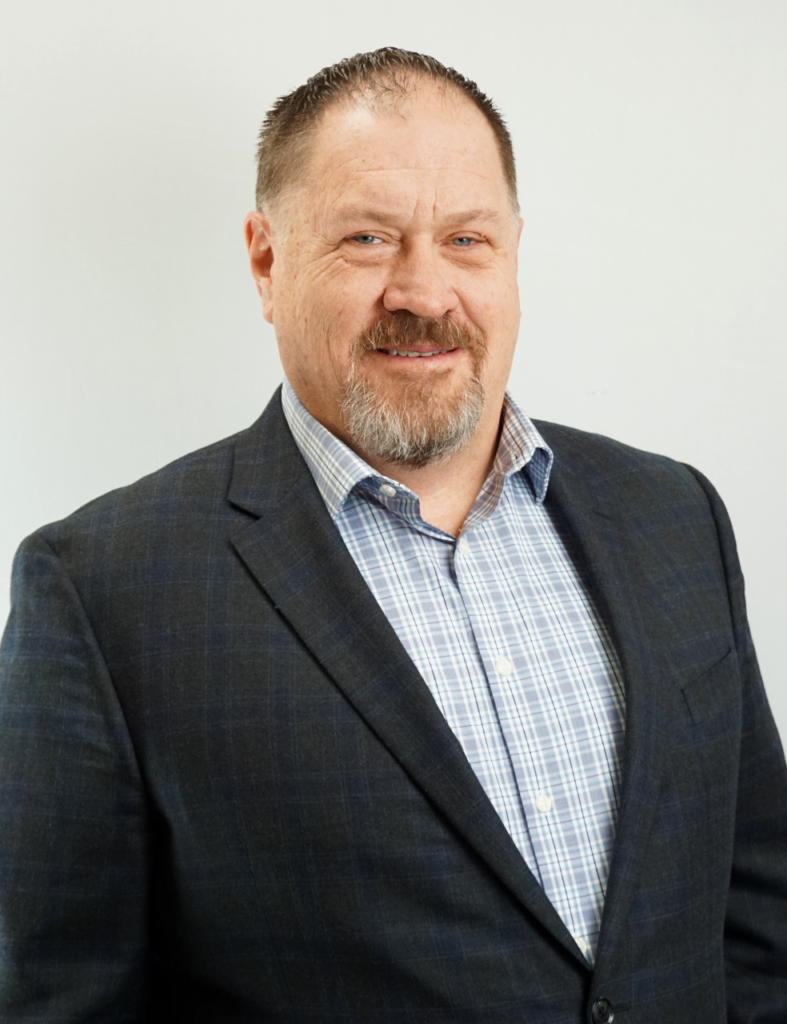
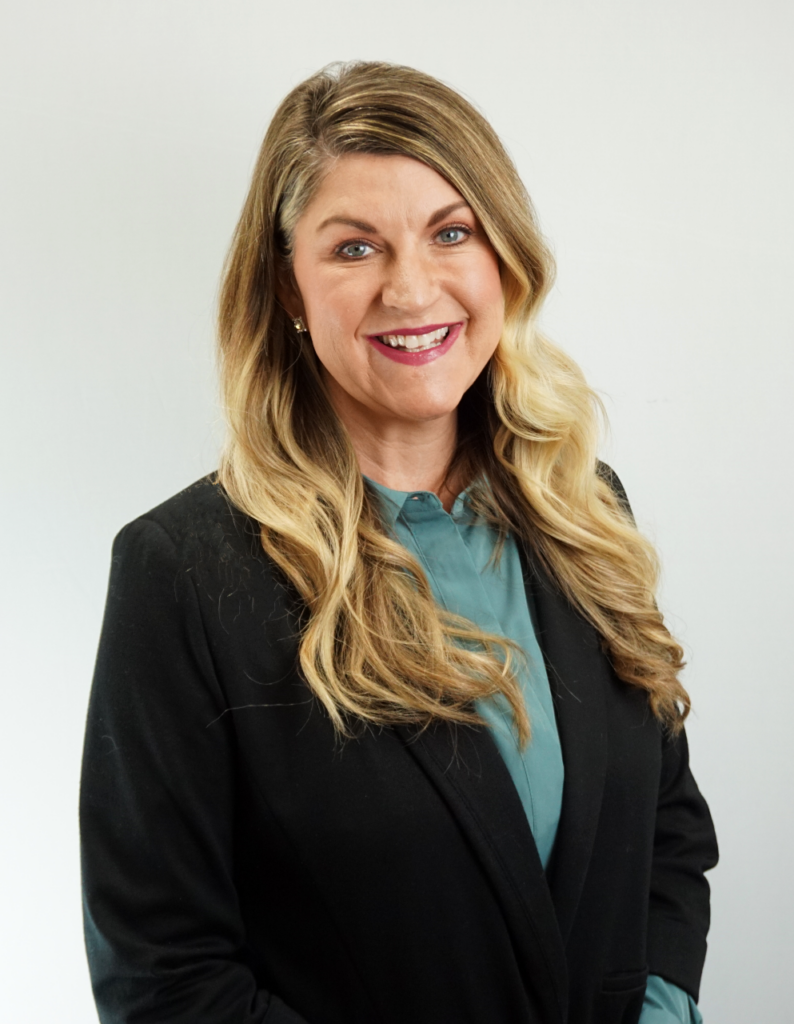
In our own family, Kristi and I use the Greenlight app as a practical tool to reinforce these principles. It allows us to automatically direct allowance into Give, Save, Spend, and Invest buckets, approve or decline spending, track balances and goals, and even assign and manage chores if we choose.
Greenlight also allows kids to begin investing in a supervised environment, which fits perfectly with the progression from simple saving to long-term thinking. For families looking for a structured way to teach stewardship consistently, this tool has been extremely helpful.You can learn more about it here: Greenlight App
Saving With Purpose: Teach the “Why”
Saving works best when it’s tied to something meaningful. Encourage kids to save for something specific:
- A bike or phone
- A car
- A trip or experience
- Education or future goals
This transforms saving from deprivation into anticipation. Over time, as kids mature, families can gradually increase the percentage going toward saving, investing, and giving—mirroring ho
Why This Matters
We know that most schools do not do a good job teaching money management or stewardship. That responsibility falls squarely on parents and grandparents. The good news is that you don’t need to be perfect—you just need a framework and consistency.
We believe this type of teaching cannot start too early. The habits formed in childhood shape how people handle money, generosity, and responsibility for the rest of their lives.
For parents, this article is meant to encourage and equip.
For grandparents, it’s an invitation to share this framework with your kids and be part of the conversation.
A Final Thought
At Strategic Income Group, our mission is empowering individuals to live their best lives and leave a lasting legacy of financial security and positive impact. That legacy doesn’t start at retirement—it starts at the kitchen table, with conversations about money, values, and stewardship.
If you’d like help thinking through how to apply these principles in your own family—or how to structure giving, saving, and investing across generations—reach out to your SIG Financial Planner. We’d be honored to walk alongside you.
Because the greatest wealth we pass on isn’t just financial—it’s wisdom.